Smoke Extraction Systems for Fire Prevention: A Comprehensive Guide for Saudi Facilities
Introduction: Why Smoke Extraction Systems Are the Cornerstone of Fire Safety?
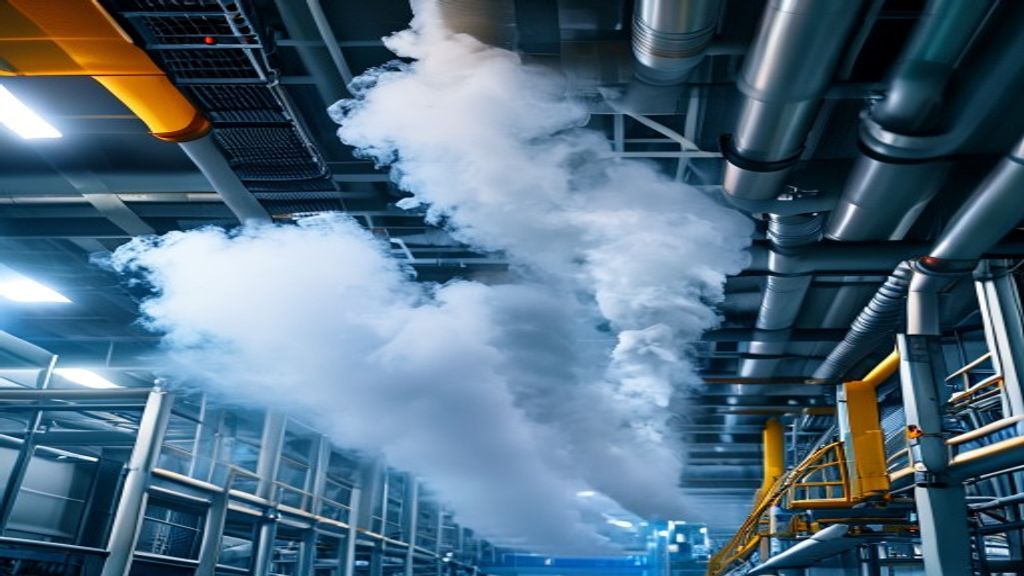
Amidst the rapid urban and developmental renaissance sweeping across the Kingdom of Saudi Arabia, safety and security issues stand out as fundamental pillars ensuring the sustainability of these projects and the protection of lives and property. While traditional fire suppression systems, such as sprinklers or fire extinguishers, immediately come to mind, there's a critically dangerous aspect often underestimated: smoke. Smoke, with its toxic gases and suspended particles, is the primary cause of fatalities and injuries in fire incidents. It also significantly hinders evacuation and rescue operations and causes severe damage to buildings.
Smoke extraction systems emerge as an advanced engineering solution to address these critical challenges. The role of these systems is not limited to merely expelling smoke from a building; their functions extend to maintaining clear escape routes, reducing the spread of heat and toxic gases, and providing a safer environment for firefighters to access and tackle the source of the fire. In the complex and vast building environments across the Kingdom, from towering commercial complexes to multi-story car parks and hospitals, smoke extraction systems become an absolute necessity, not just a supplementary option.
This comprehensive guide aims to highlight the paramount importance of smoke extraction systems in the context of fire safety, with a focus on standards and requirements specific to the Saudi market. We will cover operational principles, key components, different types of systems, and best practices in design, installation, and maintenance, with concrete examples from Saudi projects. Leading companies like Initial Safety are committed to providing these integrated solutions, ensuring the highest levels of safety for facilities and individuals in the Kingdom.
1. Understanding the Nature and Danger of Smoke in a Fire
Smoke Composition and Its Harmful Effects
Smoke produced by fire is not just a visible mass; it's a complex mixture of toxic gases, fine solid and liquid particles (soot), and water vapor. Its components vary depending on the burning materials, temperature, and oxygen deficiency. Among the most dangerous gases in smoke are carbon monoxide (CO), which binds to hemoglobin in the blood and prevents oxygen delivery to tissues, carbon dioxide (CO2), which causes suffocation, in addition to hydrogen cyanide (HCN) and other toxic chemical compounds.
Risks of Smoke to Lives and Property
- Fatalities and Asphyxiation: Toxic gases in smoke are the leading cause of fire fatalities, as they can cause unconsciousness and death within minutes.
- Impaired Visibility: Dense smoke completely obscures visibility, hindering safe evacuation and causing panic and confusion among trapped individuals. It also makes it difficult for firefighters to locate the source of the fire or rescue victims.
- High Temperatures: Hot smoke carries a significant amount of thermal energy, dangerously raising the building's temperature and accelerating fire spread and structural degradation.
- Material Damage: Smoke and soot cause severe damage to property even if not directly exposed to flames, leaving difficult-to-remove residues and potentially requiring complete replacement of equipment and contents.
- Difficulty in Firefighting: Dense smoke impedes firefighters' ability to reach and control the source of the fire, prolonging response time and increasing the extent of damage.
2. Fundamental Principles of Smoke Extraction Systems
Objectives of Smoke Extraction Systems
The objectives of smoke extraction systems are not limited to merely removing smoke; they extend to a range of vital goals that ensure the safety of lives and property and facilitate relief operations. These objectives include:
- Life Safety: The ultimate goal is to provide a safe environment for people to evacuate the building without exposure to toxic smoke concentrations or loss of visibility.
- Property Protection: Limiting the spread of smoke and heat reduces material damage to the building and its contents.
- Assistance to Firefighters: Providing clear and visible pathways for firefighters to access the source of the fire, enabling them to contain the fire faster and more safely.
- Smoke Containment: Preventing smoke from spreading from the fire area to other parts of the building, especially escape routes and sensitive areas.
- Delaying Structural Collapse: By removing heat, these systems help maintain the structural integrity of the building for a longer period.
Mechanisms of Smoke Extraction Systems
Smoke extraction systems rely on several mechanisms to achieve their objectives, most notably:
- Direct Extraction: Drawing smoke from the fire area through special fans and ducts and expelling it outside the building.
- Pressurization: Creating positive pressure zones in escape routes (such as stairwells and elevators) to prevent smoke from entering them. Fresh air is pumped into these areas at a slightly higher pressure than the fire area, pushing smoke away.
- Make-up Air Ventilation: Providing fresh air to compensate for the air being extracted with the smoke. This prevents the formation of severe negative pressure zones that could hinder fan operation and affect system effectiveness.
- Smoke Flow Control: Deliberately directing smoke movement towards specific areas and preventing its spread to other areas using smoke barriers, fire dampers, and smoke dampers.
3. Key Components of a Smoke Extraction System
An effective smoke extraction system consists of an integrated set of components that work in harmony to ensure optimal performance in emergencies. Understanding these components and their functions is essential for proper system design, installation, and maintenance.
Key Components and Their Functions
| Component | Primary Function | Additional Notes |
|---|---|---|
| Extraction Fans | Drawing smoke and heat from the fire area and expelling it outside the building. | Must be designed to operate at high temperatures for specified durations (e.g., 300°C for 2 hours). |
| Fire-rated Ductwork | Channels for transporting smoke from the fire area to the fans and then outside, while maintaining structural integrity. | Made of non-combustible, high-temperature resistant materials, and insulated to withstand fire. |
| Smoke and Fire Dampers | Valves that control smoke and airflow, closing automatically to prevent the spread of smoke or fire through ducts. | Integrated into ducts where they penetrate fire and smoke separation walls or ceilings. |
| Smoke Detectors | Devices that sense the presence of smoke and trigger an alarm to activate the extraction system. | Must be part of an integrated fire alarm system. |
| Control Panels | The system's brain, receiving signals from smoke detectors and issuing commands to operate fans and dampers. | Must be fire-protected and have a backup power supply. |
| Make-up Air Vents | Entry points for fresh air into the building to compensate for the air extracted with the smoke. | Helps maintain proper pressure within the building and prevents excessive negative pressure. |
| Smoke Barriers/Curtains | Fixed or movable barriers (curtains) that direct smoke and prevent its random spread within the building. | Often used in large spaces to divide them into smoke zones. |
4. Saudi and International Standards and Regulations
To ensure the effectiveness of smoke extraction systems, they must be designed, installed, and maintained in accordance with strict standards set by local and international regulatory bodies. In the Kingdom of Saudi Arabia, the Saudi Building Code for Fire Protection (SBC 801) and the General Directorate of Civil Defense play a pivotal role in this regard.
Saudi Building Code for Fire Protection (SBC 801)
The Saudi Building Code for Fire Protection (SBC 801) is the primary reference that defines fire safety requirements in all types of buildings and facilities within the Kingdom. This code includes detailed chapters on smoke control and ventilation systems, specifying the technical criteria for the design, installation, and operation of these systems. SBC 801 focuses on ensuring the provision of safe escape routes, reducing the risk of smoke spread, protecting structural elements, and assisting firefighters. All engineers, designers, and contractors must strictly adhere to the requirements of this code to obtain building and operating permits.
Role of the General Directorate of Civil Defense
The General Directorate of Civil Defense is the governmental authority authorized to enforce and apply fire safety regulations in the Kingdom of Saudi Arabia. The Directorate reviews and approves safety plans, and issues completion and operation certificates after ensuring that systems comply with requirements and standards. It also conducts periodic inspections of facilities to ensure the continuous and efficient operation of safety systems, including smoke extraction systems. Any project in the Kingdom requires Civil Defense approval to ensure its adherence to the highest safety standards.
International Standards: NFPA
The National Fire Protection Association (NFPA) standards are a trusted international reference in fire safety, and many local codes worldwide, including the Saudi Code, derive many of their principles from them. Key NFPA standards related to smoke extraction systems include:
- NFPA 92: Standard for Smoke Control Systems. Provides detailed guidelines for the design, installation, testing, and maintenance of smoke control systems in buildings.
- NFPA 101: Life Safety Code. Specifies requirements for building design, emergency exits, and safety systems to ensure safe evacuation of occupants.
Adherence to these international standards, in addition to local requirements, ensures the design of a high-quality and reliable smoke extraction system. These systems integrate vitally with the concepts of Natural and Mechanical Ventilation for Buildings: Importance and Requirements to ensure a safe and healthy environment.
5. Types of Smoke Extraction Systems and Their Applications
Smoke extraction systems vary in their design and operation mechanisms to suit different types of buildings and needs. They can be primarily classified into mechanical and natural systems, in addition to pressurization systems.
A. Mechanical Smoke Extraction Systems
These systems rely on powerful electric fans to draw smoke from the fire area and expel it outdoors. They are the most common and effective in most types of modern and complex buildings.
Description and Components
They primarily consist of high-performance extraction fans (often designed for high-temperature operation), a network of fire-rated ductwork, smoke and fire dampers, smoke detectors, and central control panels. These systems are designed to create a forced airflow that directs smoke away from escape routes.
Advantages
- Precise Control: Offer complete control over the direction and speed of smoke flow.
- High Efficiency: Capable of handling large volumes of smoke in vast and complex spaces.
- Design Flexibility: Can be adapted to suit a wide range of building designs.
- Independent of Weather Conditions: Operate efficiently regardless of wind speed or direction.
Disadvantages
- Higher Cost: Require a larger initial investment in equipment and installation.
- Regular Maintenance: Need regular maintenance for fans, motors, and electrical components.
- Energy Consumption: Consume significant amounts of electrical energy during operation.
Applications
Widely used in underground car parks, commercial complexes and malls, high-rise buildings, hospitals, hotels, and complex industrial facilities where smoke control is critical.
B. Natural Smoke Extraction Systems
These systems rely on the principle of thermal convection for hot smoke to rise. As smoke rises, it exits through specially designed overhead vents, while cool air enters through lower vents.
Description and Components
Consist of upper ventilation openings (such as roof smoke vents or automatically opening windows), lower ventilation openings for fresh air intake, and smoke barriers to guide the smoke. They do not rely on electric fans.
Advantages
- Lower Cost: Lower installation, operating, and maintenance costs compared to mechanical systems.
- Low Energy Consumption: Do not require electrical power for operation (except for control systems).
- Simple Design: Less complex to install.
Disadvantages
- Reliance on Weather Conditions: Affected by wind efficiency and external temperature.
- Limited Control: Difficulty in precisely controlling the direction of smoke flow.
- Limited Spaces: Less effective in large, complex spaces or multi-story buildings.
Applications
Typically used in large warehouses, high-ceiling factories, exhibition halls, and buildings with large open spaces where smoke can rise naturally.
C. Pressurization Systems
These are not smoke extraction systems in the traditional sense, but rather protection systems for escape routes.
Principles and Applications
They pump slightly higher-pressure fresh air into protected escape routes such as stairwells, emergency elevators, and evacuation corridors. This positive pressure prevents smoke from entering these areas, ensuring they remain safe for occupants during evacuation and for firefighters during rescue operations. These systems are crucial in high-rise buildings where stairwells and elevators become vital arteries for evacuation.
6. Design and Installation of Smoke Extraction Systems: Key Considerations
The design and installation of smoke extraction systems require meticulous planning and deep knowledge of architectural, mechanical, and electrical engineering, as well as strict adherence to standards and regulations. Any error at this stage can negatively impact the system's effectiveness in case of fire.
Risk Assessment and Scenario Analysis
The design process begins with a comprehensive assessment of potential risks in the building. This includes:
- Occupancy Type: Is it a residential, commercial, industrial building, hospital, etc.? Each type has different requirements.
- Flammable Materials: Identifying the type and quantity of stored or used materials that could contribute to smoke and heat production.
- Building Size and Shape: Large spaces, heights, and the presence of atriums all affect smoke dynamics.
- Evacuation Routes: Analyzing the shortest and safest evacuation routes to ensure they remain smoke-free.
Based on this assessment, potential fire scenarios are analyzed to simulate how smoke might spread and determine the best strategy for controlling it.
Airflow Calculations and System Capacity Determination
Accurate engineering calculations are the cornerstone of smoke extraction system design. The required volume of air to be extracted (in cubic meters per hour) must be determined to ensure effective smoke removal. These calculations include:
- Smoke Production Rate: Estimating the amount of smoke expected to be produced based on the potential fire size.
- Smoke Zone Volume: Defining the areas where smoke will be contained and extracted.
- Airflow Velocity: Ensuring sufficient velocity to extract smoke without causing it to disperse.
- Fan Capacity: Selecting fans with sufficient capacity to handle anticipated heat loads and smoke.
System Integration with Other Safety Systems
A smoke extraction system does not operate in isolation; it must be an integral part of the building's overall safety system. This integration includes:
- Fire Alarm System: The smoke extraction system must automatically receive activation signals from smoke detectors linked to the alarm system.
- Fire Suppression Systems: The system may be designed to work in coordination with water sprinklers or gas suppression systems.
- Access Control Systems: Automatically unlocking locked doors in escape routes to facilitate evacuation.
- Building Management System (BMS): Integration with BMS allows comprehensive monitoring and control in emergency situations.
The professional design of these systems, offered by specialized companies like Initial Safety, is a cornerstone for ensuring their effectiveness and integration with all other safety elements in the facility.
Maintenance and Access Considerations
The system design must facilitate routine maintenance operations. This includes providing easy access to fans, dampers, control panels, and ductwork for inspection and repair. Sufficient space around equipment must also be considered to enable technicians to work safely and efficiently.
7. Saudi Examples and Applications
The importance of smoke extraction systems is evident in the evolving urban environment of the Kingdom of Saudi Arabia, where massive projects and modern buildings demand advanced fire safety solutions. Here are concrete examples of the applications of these systems in the Saudi market:
- Underground Car Parks in Major Cities: Multi-story underground car parks in cities like Riyadh, Jeddah, and Dammam are high-risk environments due to the nature of fuel and flammable materials. Mechanical smoke extraction systems are primarily used here to rapidly extract smoke and heat, maintain clear escape routes, and reduce the accumulation of toxic gases.
- Commercial Complexes and Malls (e.g., Riyadh Park, Red Sea Mall): These complexes are characterized by their vast areas, large numbers of visitors, and complex architectural designs (such as the presence of atriums). They require advanced smoke extraction systems, often mechanical or hybrid, to control smoke, prevent its spread across floors, and protect shopping and entertainment areas and evacuation routes.
- High-Rise Residential Buildings and Office Towers: In modern residential and office towers prevalent in Riyadh and Jeddah, pressurization systems to protect stairwells and emergency elevators are a critical necessity. Mechanical smoke extraction systems are also used in lower floors and service areas.
- Hospitals and Healthcare Facilities: Hospitals require exceptional safety standards due to the presence of patients with limited mobility and sensitive equipment. Smoke extraction systems here are designed to ensure that specific areas (such as operating rooms, intensive care units) remain smoke-free for as long as possible, and to protect patient evacuation routes.
- Industrial Facilities and Large Warehouses: In industrial cities like Jubail and Yanbu, and logistics areas, both natural and mechanical smoke extraction systems are used, depending on the nature of stored materials and the size of the facility. For example, in high-ceiling warehouses, natural systems may be effective, while in areas containing hazardous materials, mechanical systems are more suitable.
Initial Safety has demonstrated its ability to successfully design and install these complex systems in numerous vital projects across the Kingdom, contributing to raising the overall level of public safety.
8. Best Practices and Common Mistakes
To ensure optimal performance of smoke extraction systems, it is crucial to adhere to best practices and avoid common mistakes that could reduce their effectiveness or endanger lives and property.
A. Best Practices
- Integrated and Early Design: Smoke extraction system design should be integrated into the early stages of building design, not as a later addition. This ensures consistency with the architectural structure and other mechanical and electrical systems.
- Regular Testing and Preventive Maintenance: Conduct regular tests (monthly, quarterly, annually) of all system components (fans, dampers, detectors, control panels) to ensure their readiness for operation. Maintenance should include cleaning filters, checking wiring, and lubricating moving parts.
- Continuous Staff Training: Train facility managers and maintenance teams on how to operate the system manually (if necessary), how to handle alarms, and the importance of routine maintenance.
- Comprehensive Documentation: Maintain accurate records of all designs, installation diagrams, test reports, and maintenance logs. This facilitates future inspections and updates.
- Collaboration with Certified Experts: Engage specialized and certified companies in the design, installation, and maintenance of these systems to ensure compliance with local and international standards.
B. Common Mistakes to Avoid
- Neglecting Routine Maintenance: This is the most common and dangerous mistake. A smoke extraction system that is not regularly maintained may fail to operate when needed, rendering the investment worthless.
- Inadequate or Non-compliant Design: Designing the system without careful consideration of building size, occupancy type, or the requirements of the Saudi Building Code (SBC 801) and NFPA standards. This can lead to a system with insufficient capacity or one that is ineffective in directing smoke.
- Lack of Integration with Alarm Systems: Failing to properly link the smoke extraction system with an automatic fire alarm system means it will not be activated automatically upon smoke detection, wasting valuable time.
- Using Uncertified or Low-Quality Components: Using fans, ducts, or dampers that do not comply with fire resistance standards can lead to system failure during a fire.
- Misunderstanding Smoke Behavior: Some designs fail to understand how smoke moves, rises, and spreads, leading to inefficient placement of extraction vents.
- Undocumented Modifications: Making changes to the building or system without updating designs or re-evaluating the effectiveness of the smoke extraction system.
To achieve best practices and avoid mistakes, it is advisable to collaborate with certified experts like Initial Safety, who possess the necessary experience and knowledge to design and implement integrated and effective safety solutions.
Conclusion
In conclusion, the importance of smoke extraction systems in the overall safety strategy for buildings and facilities in the Kingdom of Saudi Arabia cannot be overstated. While fire suppression systems are essential for controlling fires, smoke extraction systems are the first line of defense against the greatest danger: toxic and suffocating smoke. They represent a vital investment in protecting lives, ensuring property safety, and enabling emergency teams to perform their duties efficiently.
The Kingdom's commitment to international safety standards and their implementation through the Saudi Building Code for Fire Protection (SBC 801) and the role of the General Directorate of Civil Defense underscore the seriousness in providing a safe environment for its citizens and residents. Project owners, facility managers, and engineers must recognize that professional design, meticulous installation, and regular maintenance of smoke extraction systems are not just legal requirements, but also ethical and economic necessities.
Adherence to these principles and collaboration with trusted safety partners, such as Initial Safety, ensures a safer environment for everyone living and working in the Kingdom, contributing to achieving Saudi Vision 2030 for smart, sustainable, and safe cities.
Frequently Asked Questions (FAQ)
1. What is the difference between smoke extraction systems and regular ventilation systems?
Regular ventilation systems are designed to provide fresh air and improve indoor air quality under normal conditions. Smoke extraction systems, however, are emergency systems specifically designed to handle smoke and heat generated by a fire. They feature fire-resistant components (fans, ducts, dampers) and are automatically activated upon fire detection to effectively and quickly extract smoke.
2. How often should a smoke extraction system be inspected and maintained?
It is recommended to conduct monthly visual inspections, quarterly functional tests, and at least annual comprehensive maintenance. These inspections and maintenance should comply with the requirements of the Saudi Building Code (SBC 801) and NFPA standards, as well as manufacturer instructions.
3. Do all buildings in Saudi Arabia require a smoke extraction system?
No, not all buildings. The requirements depend on the occupancy type, building size, height, and architectural design. The Saudi Building Code for Fire Protection (SBC 801) specifies which buildings require smoke extraction systems, such as high-rise buildings, underground car parks, large commercial complexes, and certain industrial facilities.
4. What are the main challenges in designing these systems?
Key challenges include: integrating the system with the building's architectural design without compromising its aesthetics, ensuring coordination with other mechanical and electrical systems, performing accurate airflow and fan capacity calculations, adhering to strict Saudi Code and NFPA standards, and providing reliable backup power sources.
5. How do smoke extraction systems integrate with fire suppression systems?
The systems are closely integrated. When the fire alarm system detects smoke, it activates both the fire suppression system (such as sprinklers) and the smoke extraction system. While the suppression system controls the flames, the smoke extraction system works to remove smoke and heat, enhancing suppression effectiveness and protecting escape routes.
6. Can natural smoke extraction systems be sufficient on their own?
In some types of buildings with large open spaces and high ceilings (e.g., simple warehouses or factories), natural extraction systems may be sufficient. However, in most modern and complex buildings, natural systems are not adequate on their own due to their reliance on weather conditions and the difficulty of precisely controlling smoke flow. Mechanical or hybrid systems are often used in these cases.
7. What qualifications should a company have to be contracted for system installation?
The company must be approved by the Saudi General Directorate of Civil Defense and hold a valid license to operate in the field of fire safety systems. It must also have qualified and experienced engineers and technicians in the design, installation, testing, and maintenance of smoke extraction systems, with deep knowledge of the Saudi Code and NFPA standards.
References and Official Sources
- Saudi Building Code for Fire Protection (SBC 801): Saudi Standards, Metrology and Quality Organization (SASO).
- Saudi General Directorate of Civil Defense: Regulations and Technical Requirements for Fire Safety Systems.
- National Fire Protection Association (NFPA):
- NFPA 92: Standard for Smoke Control Systems.
- NFPA 101: Life Safety Code.