Fire Suppression System Maintenance in Saudi Arabia: A Cornerstone for Safety and Regulatory Compliance
Introduction: Regular Fire Suppression System Maintenance – A Strategic Investment in Safety
Amidst the rapid urban and industrial expansion witnessed in the Kingdom of Saudi Arabia, ensuring the highest levels of safety in all facilities – be they residential, commercial, or industrial – has become paramount. Fire suppression systems are the cornerstone of strategies to combat devastating fires that can lead to severe human and material losses, disrupt business operations, and destroy infrastructure. However, merely installing these systems is insufficient to guarantee their effectiveness; their functionality relies critically on regular and professional maintenance to ensure they operate at peak efficiency when the decisive moment arrives.
This specialized article targets project engineers, facility managers, and building owners in Saudi Arabia, providing a comprehensive guide to the vital importance of regular maintenance for fire suppression systems. We will cover the regulatory framework, the risks of neglect, best practices, and the role of specialized technical personnel. Adhering to maintenance programs is not merely a precautionary measure; it is compliance with Saudi Civil Defense requirements and international standards such as NFPA, and a tangible investment in business continuity and the protection of lives and property. To achieve this with the highest quality standards, Initial Safety is a trusted partner offering integrated maintenance solutions that meet all local and international standards.
The Saudi Regulatory Framework: SBC 801 and Civil Defense Requirements
The Kingdom of Saudi Arabia prioritizes the safety of individuals and facilities, a commitment translated into a set of stringent regulations and standards. The Saudi Building Code for Fire Protection (SBC 801), issued by the Saudi Standards, Metrology and Quality Organization (SASO), serves as the primary reference detailing requirements for the design, installation, and maintenance of fire safety systems. This includes prescribed inspection, testing, and maintenance schedules.
Furthermore, the General Directorate of Saudi Civil Defense plays a crucial role in overseeing the implementation of these requirements. The Civil Defense conducts regular and unannounced inspections to ensure facility compliance, requiring building owners and facility managers to obtain completion certificates and periodic maintenance reports for fire systems. Non-compliance not only exposes the facility to severe fire risks but can also lead to substantial financial penalties, facility closure, or even legal prosecution in unfortunate accident scenarios. Understanding and strictly adhering to these regulations is your first step towards a safe and compliant environment.
Key Components of Fire Suppression Systems and Their Maintenance Needs
Fire suppression systems comprise multiple interconnected components that work in harmony to ensure effective response. Each part demands specific periodic maintenance for optimal performance:
- Automatic Sprinkler Systems: Require regular inspection of pipes, valves, and fire pumps, ensuring no blockages or corrosion.
-
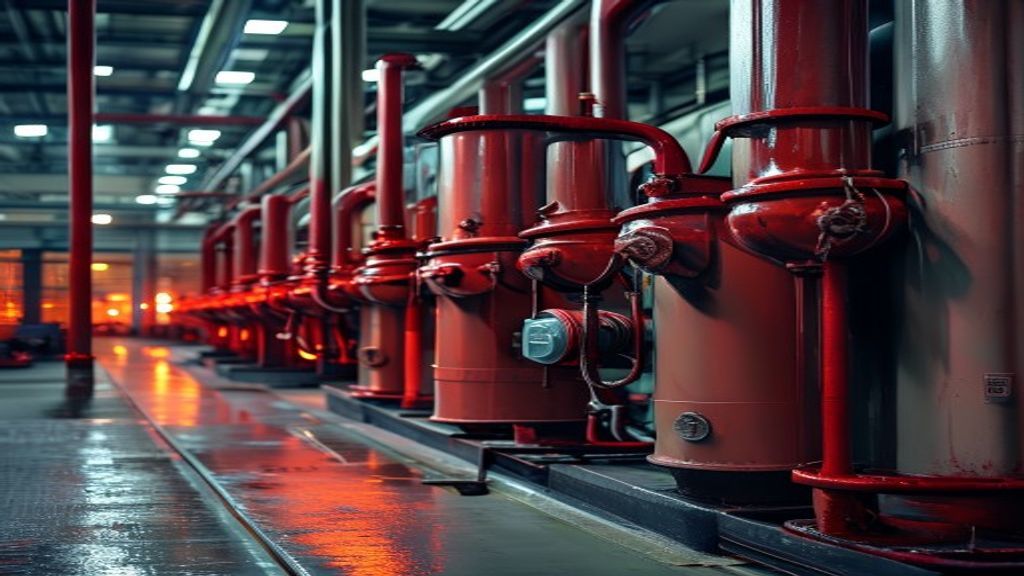
Fire Pumps and Tanks: The heart of water-based fire suppression systems. Pumps need weekly and monthly operational tests, along with comprehensive annual maintenance for motors and electrical/mechanical connections. Tanks require periodic inspection for structural integrity and water levels.
For more details on designing and implementing pump rooms, please refer to The Comprehensive Guide to Saudi Civil Defense Requirements for Designing and Implementing Fire Pump Rooms. - Fire Alarm and Detection Systems: Include smoke and heat detectors, audible and visual alarms, and control panels. These systems require periodic testing to ensure detector functionality, backup batteries, and wiring integrity.
- Clean Agent Fire Suppression Systems: Used in sensitive areas like server rooms and electrical equipment, they require periodic inspection of cylinder pressure, nozzle integrity, and automatic release mechanisms.
- Portable Fire Extinguishers: Despite their simplicity, they need monthly visual inspections and periodic recharging or hydrostatic testing.
Risks of Neglecting Maintenance: Severe Consequences
Neglecting the regular maintenance of fire suppression systems is not merely a procedural oversight; it is a dangerous gamble with lives and property. Such neglect can lead to severe and extremely costly consequences:
- System Failure When Needed: May lead to complete or partial system breakdown during a fire, depriving the facility of its first line of defense.
- Human and Material Losses: Ineffective systems increase the risk of injuries or fatalities and cause immense material damage to the building and its contents.
- Business Disruption: A fire can force a facility to close for extended periods for reconstruction, leading to revenue losses and customer attrition.
- Legal and Insurance Liabilities: Facility owners and managers may face lawsuits and significant fines, and insurance companies may refuse to cover losses if maintenance neglect is proven.
Regular Maintenance Programs: Types and Scheduling
To ensure maximum readiness of fire suppression systems, comprehensive and organized maintenance programs must be implemented in accordance with international standards like NFPA 25 (Standard for the Inspection, Testing, and Maintenance of Water-Based Fire Protection Systems) and local Civil Defense requirements. These programs can be categorized into different levels:
Weekly Visual Inspection
Trained facility staff should conduct a quick visual inspection of key system components. This includes checking:
- Fire pump pressure.
- Water levels in tanks.
- Clearance around sprinkler heads and control panels.
- Readiness of portable fire extinguishers and their pressure gauges.
Monthly and Quarterly Tests
These tests require specialized technical intervention to ensure functional performance. They include:
- Fire Pump Operational Test: Pumps should be run for a short period (typically 10 minutes) monthly to confirm readiness.
- Fire Alarm System Test: Detectors, alarms, and control panels should be tested quarterly to ensure proper response.
- Valve Inspection: Ensuring all control valves are open and secured in their correct positions.
- Backup Battery Inspection: For alarm and emergency lighting systems.
Annual and Comprehensive Maintenance
This level of maintenance is the most critical and requires a specialized and licensed technical team. It includes:
- Water flow testing for sprinkler systems and fire pumps.
- Comprehensive inspection of all mechanical and electrical parts of pumps and valves.
- Cleaning and testing of all smoke and heat detectors.
- Recalibration of measuring devices.
- Issuance of maintenance reports and necessary certificates for Civil Defense.
Experts at Initial Safety rely on precise and scheduled maintenance methodologies, inspired by the latest international standards and fully compliant with Saudi Civil Defense requirements, to deliver services that ensure the highest levels of performance.
The Role of Specialized Technical Personnel and Credibility
The effectiveness of maintenance programs depends significantly on the technical competence and expertise of the personnel performing them. Not just anyone can maintain fire suppression systems; this task requires deep knowledge of engineering standards, familiarity with local and international codes (such as NFPA), and the ability to accurately diagnose and repair malfunctions.
- Certifications and Licenses: Technicians must hold accredited certifications in fire protection system maintenance, and their employing company must be licensed by the Saudi Civil Defense.
- Practical Experience and Continuous Training: Experience in handling different types of systems and their challenges ensures the detection of potential problems before they escalate. Continuous training is vital to keep up with the latest technologies.
- Specialized Equipment: Technicians need specialized tools and testing equipment to perform inspections and tests accurately.
Initial Safety recognizes this importance, which is why it provides highly qualified technical teams, trained in the latest technologies and best practices, to ensure that every maintenance operation is carried out with the utmost professionalism and precision.
Best Practices in Fire Suppression System Maintenance
To maximize the effectiveness of fire suppression system maintenance programs, a set of best practices should be adopted to ensure quality and compliance:
Comprehensive Documentation of Maintenance Records
Accurate and detailed records of all inspections, tests, and maintenance performed on the systems must be kept. These records are essential for:
- Tracking maintenance history and system performance.
- Complying with Civil Defense and insurance company requirements.
- Identifying recurring failure patterns.
- Facilitating inspections and audits.
Use of Original and Approved Spare Parts
Using original or manufacturer-approved spare parts is crucial for maintaining system performance and reliability. Non-original parts can negatively affect system efficiency and lead to unexpected failures.
Continuous Training for Internal Staff
Facility staff should be trained on how to conduct weekly visual inspections, understand basic system indicators, and handle minor malfunctions or false alarms.
Integration with Other Safety Systems
Fire suppression systems should operate in integration with other building safety systems, such as smoke control systems, alarm systems, and fire doors. Maintenance should include testing this integration to ensure a coordinated response.
For a deeper understanding of this integration, you can refer to Strategies for Designing Integrated Fire Systems in High-Rise Buildings: A Comprehensive Guide to Saudi Civil Defense and NFPA Standards.
Common Maintenance Mistakes and How to Avoid Them
Awareness of common mistakes in fire suppression system maintenance helps in avoiding them and ensuring system effectiveness:
| Common Mistake | Potential Impact | How to Avoid |
|---|---|---|
| Delaying or canceling scheduled maintenance | System failure during a fire, expiration of critical components. | Strictly adhere to the schedule recommended by Civil Defense and NFPA. |
| Relying on unqualified or unlicensed technicians | Incorrect maintenance, wrong diagnosis of faults, use of unsuitable spare parts. | Contract with Civil Defense-approved and licensed maintenance companies with qualified technical staff. |
| Ignoring minor issues or frequent false alarms | Escalation of minor problems into major failures, loss of trust in the alarm system. | Immediately investigate and address any malfunction, no matter how small. |
| Improper documentation of maintenance operations | Difficulty tracking system history, non-compliance with audit requirements, insurance problems. | Establish a comprehensive system for keeping and regularly updating records. |
Lessons Learned and Examples from the Saudi Market
Numerous incidents and experiences in the Saudi market underscore the paramount importance of regular maintenance. In a major industrial facility in the Eastern Province, an electrical fire was swiftly contained thanks to an automatic sprinkler system that had been tested and maintained just weeks prior. This investment in maintenance prevented significant losses and maintained production continuity. This example highlights that maintenance is not merely a cost, but a preventative investment that protects vital assets.
In contrast, a commercial facility in Riyadh faced a major fire pump issue due to sediment accumulation resulting from neglected maintenance. This malfunction was only discovered during a routine Civil Defense inspection, exposing the facility to substantial fines and emergency repair costs. These cases emphasize the need for strict adherence to scheduled maintenance programs.
Initial Safety's experiences in various Saudi projects confirm that investing in preventative maintenance far outweighs the costs of emergency response and post-incident repairs, serving as a fundamental guarantee for safety and compliance.
Challenges and Solutions in Fire System Maintenance in the Kingdom
Fire suppression system maintenance operations in the Kingdom face some unique challenges, but effective solutions exist to overcome them:
Challenges
- Harsh Climatic Conditions: High temperatures and dust can affect equipment performance and increase corrosion rates.
- Availability of Spare Parts: Some suppliers may face difficulties in quickly providing original spare parts, especially for older or specialized systems.
- Scale and Complexity of Projects: Large and multi-purpose projects require greater coordination and maintenance efforts.
Solutions
- Use of Equipment Designed for the Saudi Environment: Choosing systems and components specifically engineered to withstand local climatic conditions.
- Partnership with Approved Suppliers: Contracting with maintenance companies that have strong relationships with original suppliers to ensure spare part availability.
- Adoption of Smart Technologies: Utilizing remote monitoring and predictive maintenance systems to reduce breakdowns and identify potential problems early.
- Comprehensive Safety Planning: Includes considering the pivotal role of fire-resistant building materials in enhancing the resilience of facilities, as an integral part of the safety strategy.
Conclusion: Safety is a Responsibility and Ongoing Commitment
In conclusion, the paramount importance of regular maintenance for fire suppression systems in the Kingdom of Saudi Arabia cannot be overstated. It is not merely a procedural requirement but an indispensable strategic investment that ensures the protection of lives and property, maintains business continuity, and affirms adherence to national and international safety standards. By understanding the regulatory framework, leveraging qualified technical personnel, and implementing best practices, facilities in Saudi Arabia can build a safe and resilient environment against fire challenges. Neglecting this responsibility can have dire consequences, far outweighing any short-term savings. To ensure the highest standards of safety and quality in fire system maintenance, do not hesitate to contact Initial Safety, your trusted partner in protecting your facilities.
Frequently Asked Questions (FAQ)
- What is the recommended timeframe for regular maintenance of fire suppression systems?
- The timeframe varies depending on the system type and components, ranging from weekly visual inspections, monthly and quarterly tests, to comprehensive annual maintenance, in accordance with Saudi Civil Defense requirements and NFPA 25 standards.
- Do maintenance requirements differ for various system types?
- Yes, requirements vary significantly. For example, water-based sprinkler systems have different requirements than clean agent suppression systems or fire alarm systems. Each system has its specific inspection, testing, and maintenance schedule.
- Who is responsible for fire suppression system maintenance in a facility?
- The ultimate responsibility rests with the building owner or facility manager. However, specialized and Civil Defense-approved maintenance companies should be contracted to perform most complex maintenance and testing tasks.
- What happens if regular maintenance requirements are not met?
- Non-compliance can lead to financial penalties from the Civil Defense, facility closure, invalidation of safety certificates, and in the event of a fire, the facility may face legal and criminal liabilities, and insurance companies may refuse to cover losses.
- Can internal facility staff perform some maintenance tasks?
- Trained staff can conduct simple daily or weekly visual inspections and check basic system indicators. However, periodic tests and comprehensive maintenance must be performed by specialized and licensed technicians from approved external companies.
- What is the importance of maintenance records?
- Maintenance records serve as proof of compliance with regulatory requirements, help track system performance and history, facilitate audits by the Civil Defense and insurance companies, and contribute to identifying recurring problems.
Official References
- Saudi Standards, Metrology and Quality Organization (SASO) - Saudi Building Code for Fire Protection (SBC 801).
- General Directorate of Saudi Civil Defense - Technical Regulations and Requirements for Safety and Fire Protection.
- National Fire Protection Association (NFPA) - NFPA 25: Standard for the Inspection, Testing, and Maintenance of Water-Based Fire Protection Systems.